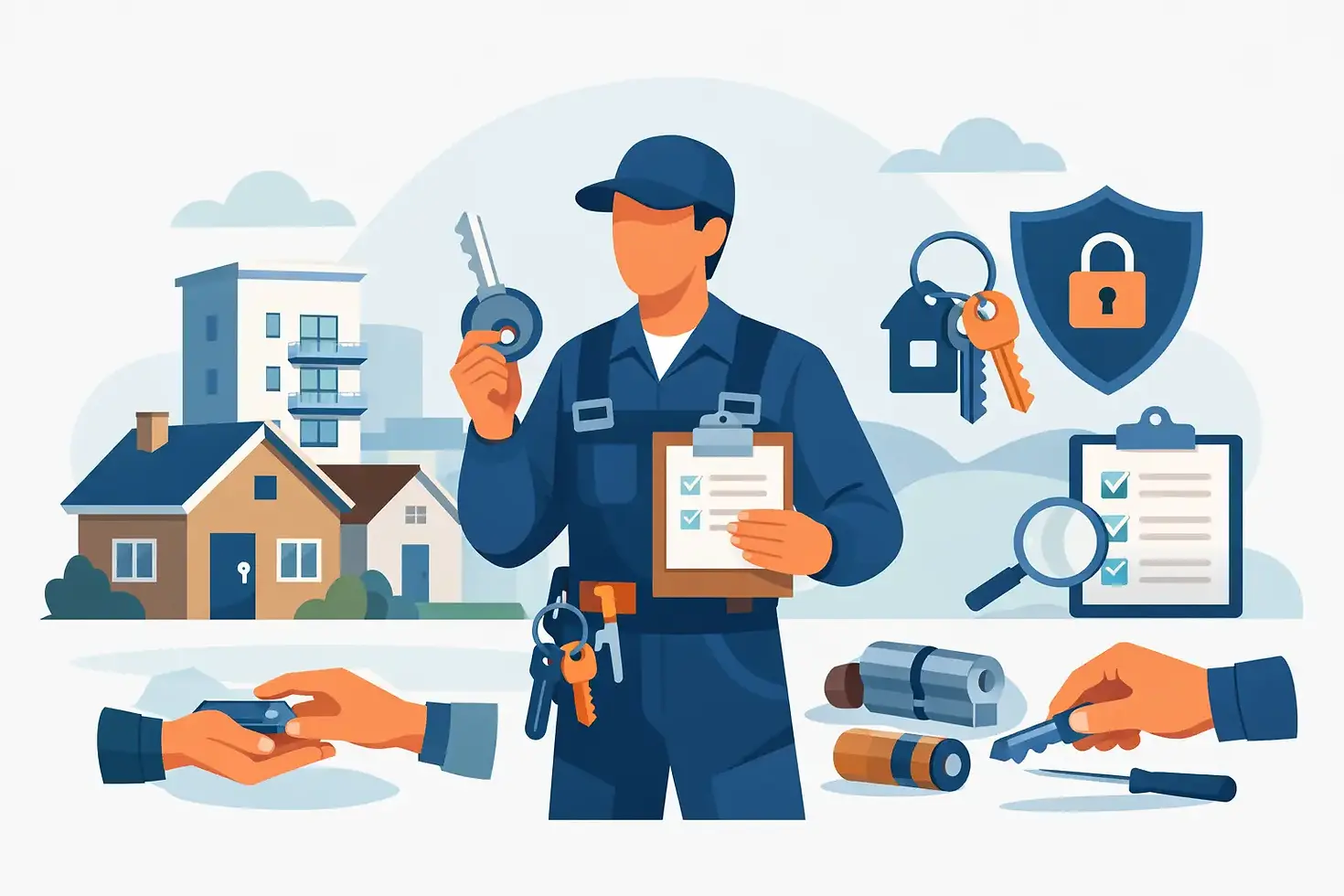
Choosing a Locksmith for Rental Properties
- Anat Gold

- 4 days ago
- 5 min read
A tenant moves out on Friday, a new resident is scheduled for Monday, and the keys are somewhere between a cleaning crew, a former tenant, and a lockbox that no longer opens. This is exactly when a locksmith for rental properties becomes more than a convenience. It is part of protecting the home, keeping the turnover on schedule, and giving the next tenant confidence that their entry keys are theirs alone.
For landlords, property managers, and owners of vacation rentals across the Florida Panhandle, lock service should not be an afterthought. A well-handled lock change or rekey can prevent access problems, reduce avoidable calls, and help keep a vacant property secure while work is being completed.
When Rental Properties Need a Locksmith
The most common time to call is between tenants. Even when every key is supposedly returned, there is no reliable way to know whether a copy was made. Previous residents may have given keys to family members, dog walkers, contractors, or roommates. Rekeying the locks changes which key operates them without necessarily replacing all the hardware.
A rekey is often the practical choice when the existing lock is in good condition and the goal is simply to remove access from old keys. It is generally quicker and less wasteful than replacing every lock, especially in a multi-unit property with matching hardware. It also gives the new resident a clean start.
Replacement may be the better option when a lock is worn, damaged, loose, difficult to turn, or no longer provides the level of security the property needs. A sticking deadbolt can become an emergency lockout for a tenant. A door that does not latch correctly can leave a unit vulnerable, even with a quality lock installed. A professional can assess both the lock and the door alignment before recommending the right repair or replacement.
Rental owners also need help after a lost key, a break-in attempt, an eviction completed through the proper legal process, or a change in property management. In each case, access needs to be reset promptly. The right response depends on the condition of the hardware, the lease terms, and the circumstances of the property.
Rekeying Versus Replacing Locks
Rekeying and replacing serve different purposes, and choosing the wrong one can add cost without solving the real problem. Rekeying changes the lock cylinder so existing keys no longer work. The lock stays in place, which makes sense when it is functioning well and matches the doors throughout the property.
Replacing the lock means installing new hardware. This is useful when the lock has failed, when the door needs a different lock type, or when you are upgrading a property’s security and appearance. For example, an exterior door with a basic knob lock may benefit from a properly installed deadbolt. A frequently used rental may need commercial-grade hardware that holds up better to repeated use.
The lowest upfront price is not always the best value. Cheap hardware can wear out quickly, leave tenants dealing with keys that stick, and create additional maintenance calls. On the other hand, the most expensive lock is not necessary for every door. A good locksmith should explain what the property needs, what can be repaired, and where an upgrade is worth the investment.
Consistency matters, too. Having compatible keyways or a planned master-key system can make life easier for owners and managers. It can reduce the number of keys in circulation while still allowing separate access for tenants, maintenance staff, and management. That plan should be designed carefully. Too much shared access can become a security concern, while too many individual keys can become difficult to manage.
Tenant Access Requires Clear Boundaries
Rental access is not only a hardware issue. It is also a responsibility. A landlord or manager should have a clear process for who receives keys, who can request duplicates, and how access is handled after maintenance visits or emergencies.
Keep a record of issued keys and any codes used for approved electronic locks. When maintenance personnel, cleaners, or vendors need access, limit it to what is necessary and update access when the work relationship ends. For vacation rentals, reset door codes between guest stays and avoid using easily guessed combinations such as unit numbers or birthdays.
Emergency access should be planned in advance. Tenants should know whom to call if they are locked out, and property managers should have a secure way to verify authorization before approving entry. A mobile locksmith can be especially helpful when a tenant is stranded outside the unit or a lock fails after business hours.
There is one boundary that should always be respected: do not change locks to force a tenant out or deny lawful access. Florida rental rules and lease requirements can affect when and how a landlord may enter or change access. If there is a dispute, unpaid rent, or an eviction situation, follow the required legal process before arranging lock work. A locksmith can address the hardware, but legal possession must be established first.
A Turnover Lock Checklist That Prevents Problems
A short, repeatable process helps prevent rushed decisions during a busy move-out week. Before a new tenant receives keys, review these four areas:
Rekey or replace exterior locks after every completed turnover, even if keys were returned.
Test every entry point, including garage access doors, side gates, mailbox locks, storage rooms, and sliding doors.
Confirm that deadbolts latch smoothly and that doors close and lock without being forced.
Remove old keys, update access records, and give the new tenant only the keys or codes they need.
Do not overlook less obvious access points. A garage remote, community gate fob, mailbox key, pool gate key, or storage closet key can be just as significant as the front-door key. If a property has a smart lock, confirm that old user codes, temporary codes, and app permissions have been removed.
Choosing the Right Locksmith for Rental Properties
Property owners need more than someone who can open a locked door. Look for a locksmith who can come to the property, communicate clearly about the work, and provide options that fit the condition of the doors and locks. Mobile service is valuable when a turnover deadline is tight, a tenant cannot access the property, or a vacant home needs to be secured without delay.
Experience with residential and commercial hardware also helps. A single-family home, condo, apartment building, office suite, and short-term rental may have different access needs. The locksmith should be able to identify whether a rekey, repair, hardware replacement, or access-control adjustment is the sensible next step.
Clear pricing matters just as much as prompt arrival. Before work begins, ask what service is recommended, whether hardware is included, and what could change the final cost. Honest communication protects everyone involved and makes it easier to approve work on behalf of an owner or management company.
For rental properties in Niceville, Destin, Fort Walton Beach, Crestview, and nearby Panhandle communities, a local mobile provider can save valuable time when a lock issue cannot wait. Xpress Car Locksmith brings on-site locksmith support directly to the property, helping owners and managers address access problems without sending staff across town for a solution.
Treat Lock Service as Part of Property Care
Locks are small pieces of hardware with a large effect on how a rental operates. When they work properly, tenants feel secure, move-ins stay on track, and managers receive fewer urgent calls. When they are ignored, a simple worn key or loose deadbolt can turn into a vacancy delay, a tenant complaint, or a preventable security concern.
Build rekeying, inspections, and access record updates into every turnover rather than waiting for something to go wrong. A dependable locksmith relationship gives rental owners a practical way to respond quickly when it does.
.png)


Comments